
Why Magento 2 Upgrade Is Essential for eCommerce Growth and Security
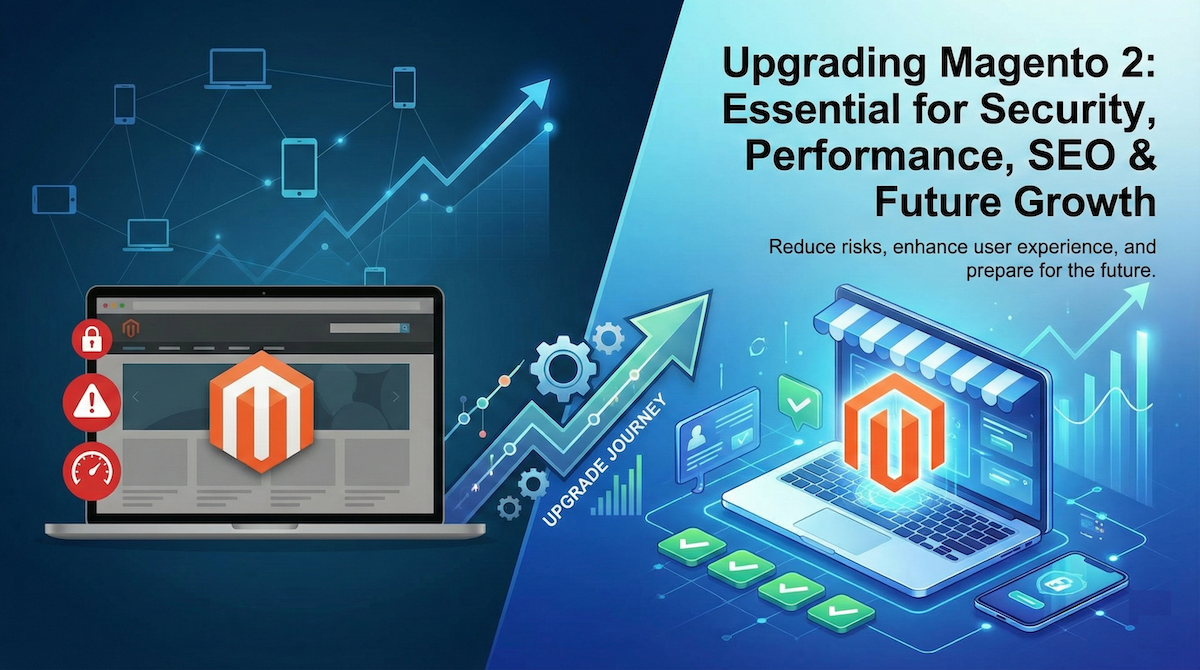
In the competitive world of eCommerce, running your online store on outdated technology can significantly impact performance, security, and revenue. If your store is using an older version of Magento 2, upgrading is no longer optional - it is a critical business requirement.
Magento 2 upgrades ensure your store remains secure, fast, scalable, and compatible with modern technologies.
1. Enhanced Security and Data Protection
Older Magento versions stop receiving regular security patches, making them vulnerable to cyberattacks, data breaches, and malware injections. An outdated Magento store can expose sensitive customer data, including payment and personal information.
Upgrading Magento 2 provides:
- Latest security patches
- Protection against known vulnerabilities
- Improved admin authentication
- Compliance with PCI-DSS standards
Security alone is a strong reason why Magento 2 upgrades should never be delayed.
2. Improved Website Performance and Speed
Magento 2 upgrades include continuous performance improvements such as:
- Faster page load times
- Optimized indexing and caching
- Improved checkout processing
- Better database query handling
A faster Magento store improves user experience, reduces bounce rates, and increases conversion rates. Page speed is also a confirmed ranking factor for search engines, directly impacting SEO.
3. Compatibility With Latest PHP and Server Technologies
Magento regularly updates its support for:
- New PHP versions
- MySQL and MariaDB
- Elasticsearch or OpenSearch
- Redis and Varnish
Running Magento on unsupported server software can lead to errors, broken functionality, and poor stability. A Magento 2 upgrade ensures your store remains compatible with modern hosting environments.
4. Better Checkout and User Experience
Each Magento upgrade brings enhancements to:
- Checkout flow
- Mobile responsiveness
- Admin panel usability
- Accessibility improvements
A smoother checkout experience reduces cart abandonment and increases customer satisfaction, especially for mobile users.
5. Extension and Theme Compatibility
Most Magento extensions and themes are developed for the latest Magento versions. Older Magento stores often face:
- Broken extensions
- Missing features
- No vendor support
Upgrading Magento 2 ensures compatibility with third-party extensions, security updates, and new functionalities required for business growth.
6. SEO and Search Engine Optimization Benefits
Magento 2 upgrades improve SEO performance by:
- Enhancing Core Web Vitals
- Improving page rendering speed
- Fixing indexing and canonical issues
- Supporting better structured data
An outdated Magento store struggles to rank well in search results, reducing organic traffic and visibility.
7. Scalability and Future-Ready Architecture
Magento upgrades prepare your store for future technologies such as:
- Headless commerce
- Progressive Web Apps (PWA)
- API-first integrations
- Advanced analytics and personalization
If your business plans include scaling traffic, expanding product catalogs, or integrating external systems, upgrading Magento 2 is essential.
8. Reduced Long-Term Maintenance Costs
Delaying Magento upgrades increases technical debt and leads to:
- Higher maintenance costs
- Emergency fixes
- Increased downtime risks
A planned Magento 2 upgrade reduces long-term expenses and ensures smoother future updates.
Conclusion
Upgrading Magento 2 is a strategic investment in your eCommerce business. It improves security, performance, SEO, scalability, and overall user experience. Businesses that delay Magento upgrades risk losing customers, rankings, and revenue.
If your store is running on an older Magento version, upgrading now will help you stay competitive, secure, and future-ready.
Tagged with
Written by Rohit Vakhariya
Passionate about sharing knowledge and insights on web development, technology, and best practices.